Tuesday, March 4, 2014


Picture


The All My Heart Pendant is one of my favorite pieces because it is made entirely from one silver plated table spoon.  To get started I polished the spoon with Tarnex and decided where to cut my shape out.  On this spoon I wanted to use the flower design at the base of the bowl. 


Using a band saw I cut out the shape of a heart with the flower in the bottom point and four metal strands on the top right.  This can also be done with a jewelry saw (similar to a small hack saw).  The jewelry saw allows for a little more control.  After cutting the piece out I used a sanding disc on my dremel to sand all the edges smooth.
With a pair of needle nose pliers I folded over the first metal strand keeping the bend as close to the top of the heart as possible.  I then rolled the tine into place forming the right hand side of the heart.  The last metal strand on the right side was done next in a similar way.  I pulled it out slightly and then rolled it inward until it touched the edge of the first tine.
Now to tackle the bail.  Because it is all one piece I used the third metal strand from the left to make a bail.  I first bent it backwards leaving a good sized loop at the top to allow for large chains.  I bent the strand into a right angle at the point where it connects to the heart. (second picture). Then I wrapped it around the remaining strand and base of itself until the whole strand was intertwined.   
Picture


The remaining metal strand is rolled to the left to finish the piece.  After the bending is done I lightly sanded the surface of the entire piece for a textured look.


The finished piece is a lovely piece of vintage art.
     A little over a year ago my family went through a period where money was VERY tight.  During that time I started making all of our bread at home to save some money on the grocery bill.  Bread is a huge staple for us so I went through dozens of recipes trying to find something that was a good substitute for store bought.  The two recipes I have come to love are these Fast and Easy Rolls and a simple and CHEAP French bread.  These are our staples and I usually make two of the rolls and two of the French bread batches every other day.  If you are in a pinch for time and can't wait for dough to rise the rolls can be used as hamburger buns, rolls, or pizza pockets all in less than 40 minutes from start to out of the oven.


Picture
4 tbsp. Active Dry Yeast

1/2 cup white sugar

2/3 vegetable oil

2 cups hot water

1 tsp. salt

6 cups all-purpose flour


     The first step to any good yeast bread is hot water.  Add the 4 tbsp. yeast to the 2 cups of hot water and let it sit until the yeast is frothy like pictured in the measuring cups above.  This process allows the yeast to get active and keeps you from having to knead the dough as much later. 

While waiting pre-heat the oven to 400 F.


Picture
Step two is to add the yeast water, sugar, oil, and salt to a mixer.  You do not need to have a dough hook for this but if you do go ahead and use it.  This can also be done by hand if you would prefer.  Combine the ingredients and then add 3 of the cups of flour and mix until the dough starts to look elastic.  Around 2 or 3 minutes. 

Add one more cup of flour and mix until loosely combined.  Dough will still be sticky and inconsistent.


Picture
Put the remaining cup of flour on a clean surface (counter top) and spread some of it out like pictured at the side.  Scrape contents of the mixer bowl out onto the center of the pile and use your hands to mix in the remaining flour kneading the dough several times to make sure it is well mixed. 

Do not worry if there is flour left over on the counter after the dough is mixed.  The amount of flour used will vary from batch to batch based on variables like temperature, humidity, ect... 


Picture
Cover a baking sheet with non-stick cooking spray and pinch off two inch balls of dough rolling them into a round shape.  Place on the cookie sheet leaving a space in between each to allow for rising in the oven. 

Picture
Place the filled baking sheet in the pre-heated oven and bake until tops are slightly brown. 

Remove from oven and let cool. 


Tuesday, July 16, 2013

Canning New Potatoes

We had an early potato harvest this year after a nematode infestation which meant LOTS of new potatoes for canning.  Pictured above is my best digger hard at work.  I would turn the potatoes and he would ferret them out of the turned dirt.  A pretty fast little team!  I think next year I will plant little toys with the potato cuts for him to find on digging up day.

So now that the harvesting is done it's time to get something done with our little golden beauties.  First step is to start washing.  I try to knock off most of the dirt before I even bring them in the house.  We have an old kiddie pool that the kids had gotten some holes in that I flipped over and stomped the edges down on.  The potatoes all get thrown in there and hosed off two or three times and then hauled in one bucket at a time to the sink.


     At this point the sole objective is to get the potatoes clean so jump in any way that works best for you.  You can use a scrub brush, peel them, brillo pad, or my personal favorite is to set an abrasive sponge down with the sink running on top of it.  Push down firmly and rub the potato on the sponge peeling off the dirt and skin.  It's the easiest (and fastest) way to get to a clean, skin free potato for me.  You do not have to remove the skins of the potatoes if you do not want.  That is just my personal preference.  Clean is all that matters.


     Keeping the potatoes in cold water after they have been cleaned will stop them from turning brown or discoloring.  Once you have finished cleaning fill each jar, leaving 1/2" of space at the top.  Fill each jar with water up to the same point.  At this point I choose to add 1 tsp of salt to each quart jar.  It is not required but seasons the potatoes nicely.  Run a butter knife or flat edge down the inside of each jar to knock any air bubbles loose.  


     While working on cleaning and packing your jars have the lids and rings for each jar in a pan of water.  Heat to boiling and then just turn the burner off.  Do not take the lids out until you are ready to place them on the jars.

     Wipe each jar top off with a damp cloth to make sure they are clean and then place the lids and rings on.  Tighten them securely and then place in Pressure Canner following the makers instructions to determine the amount of water necessary in the bottom of the pan.  Allow the canner to come to 11 lbs of Pressure and then set timer for 40 minutes.  Be sure to not allow the canner to drop below 11 lbs.


     When the timer goes off be sure to follow the manufacturers directions for relieving the pressure in your canner.  When it is safe to open use your jar grabber to remove the jars and place on a flat surface.  If the jars do not seal within 24 hours (the lid should no longer push in when tapped with a finger) the jar will need to be refrigerated.  Be sure to lable and date each jar.


Saturday, July 13, 2013

Quick and Easy White Bread Recipe

     I love this bread recipe because it is quick and extremely easy to make.  It can also be made in a lot of variations to spice things up. 

Ingredients:

2 cups warm water
2/3 cup white sugar
1 1/2 tbsp yeast
1 1/2 tsp salt
1/4 cup vegetable oil
6 cups bread flour

   The most important tip I have ever learned when making bread or yeast products is to start every recipe by putting your warm water in a bowl, then adding the sugar from the recipe, and finally sprinkling the yeast on top.  The reason for doing this is that yeast needs food (i.e. sugar) to grow as well as warmth.  Although you do not have to do this first it gives the yeast a jump start and makes it possible to kneed the dough less in later steps.  Let the yeast hang out in the bowl until a foam forms on the top.  
     The next step is to add the rest of the ingredients.  It is a good idea with bread to add the salt into the flour first and then add the oil and salt and flour mixture to the yeast.  Salt and yeast do not mix well so this gives them a little buffer.  Mix all of these ingredients loosely and then dump them on a clean dry surface to need the remaining flour in to a ball.  Do not worry if not all the flour mixes in.  Just get the dough to a mostly dry consistency that is no longer tacky.  At this point put the dough into a bowl that is covered with non-stick cooking spray and cover with a towel.  Let the dough rise at room temperature until doubled (usually around one hour).  

     After an hour cut the dough into two pieces and form each piece into a rough bread like roll.  Place each roll into a buttered bread pan and cover with a towel until the bread rises roughly one inch above the edge of the pan.  When it has finished rising bake in a 350 degree oven for approximately 30 minutes.  


     Remove the bread from the oven and immediately take it out of the bread pans placing it on a cooling rack.  Or if you are like me slice into it and slather it in butter.  One of the best snacks ever!


     The variations you can make this bread in is where your imagination comes in.  It makes great rosemary bread, almond cranberry, dill, or anything else you can think of.  My personal favorite is to add cheddar cheese into the dough before it rises.  It gives it great flavor and makes it a little nicer to put on the dinner table.  Happy cooking!

Friday, July 12, 2013

Easy Pancakes from Scratch

     What's better than breakfast for dinner??  Tonight there was nothing better as we had pancakes made from scratch with strawberry sauce and bacon.  These pancakes are both easy to make and way more affordable than the boxed mix you buy in the store.  A few simple ingredients and you're ready to go.  I used the following ingredients:

2 cups flour
3 tbsp sugar,
2 eggs
2 cups milk
2 tbsp oil
2 tsp vanilla extract (optional)

     To get started I mixed the flour and sugar together in a bowl.  Then setting those aside I mixed the eggs, milk, oil, and vanilla extract in my mixer.  You can use a bowl and spoon if you don't want to dirty the mixer.  Once the wet ingredients are mixed just slowly add the dry mix until it's well blended.


      Now we're ready to cook!  Make sure to preheat your skillet and spray with a non-stick cooking spray.  Using a small soup ladle spoon each pancake onto the skillet. 

      A great tip for when to flip is wait until the pancakes start to make air bubbles.  That means there ready to flip.  Cook the other side and you're ready to eat.


     There are a lot of things that you can do to make these fun for the kids, or a nice treat for yourself.  Adding chocolate chips, blue berries, whipped cream, or many other things can turn a normal breakfast (or dinner in our case) into something memorable and fun.  Happy cooking!


Thursday, July 11, 2013

Usefull things I never thought I'd know...

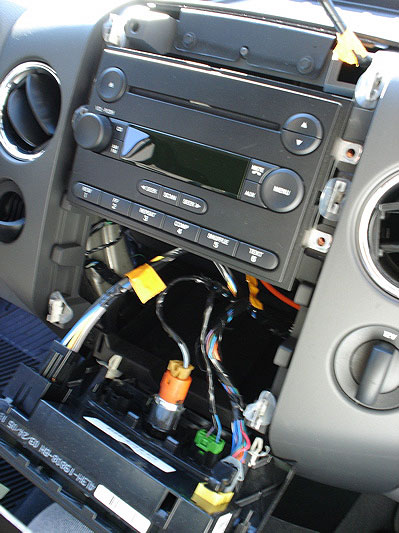
Click the image to open in full size.Today's useless tidbit of information...Drum roll please...You can fit $5.00 in coins, two cd's, and a debit card in a truck cd player.  I learned this after my two day search for the missing debit card had gotten me nowhere.  In a last ditch effort to find it I started thinking of the last time I had it and where the kids may have been able to sneak it into.  The ah-ha moment came when the cd player wouldn't load.  Of course that's where it must be!  A quick google search later and I attacked the truck dash with a vengeance.  It is surprisingly easy to remove the front of the dash and then the cd player.  A few clips and four bolts later I was in business.  All that was left to do was remove the missing items and replace the dash and cd player.  One more mommy crisis averted and back to our normal day. 

Saturday, July 6, 2013

Canning Strawberry Jam

One of my kids favorite treats is strawberry jam on there waffles in the morning.  Today I'm making and canning fresh strawberry jam using strawberries I found at the market.  To get started I got out the supplies I needed for canning.  Jars, lids, rings, magnet, jar lifter (that's the fancy name), measuring spoons, potato masher, large metal or wooden spoon, ladle, pectin, sugar, hot water bath, skillet, sauce pan, and of course strawberries.


     Fill the water canner with enough water to cover the jars by two inches being sure to place the wire rack that came with it on the bottom.  Turn the burner on high and with the lid on allow the canner to come up to a boil.  Next place the sauce pan on a rear burner and place the lids and rings in it.  Cover with water and bring to a boil.  Once the water on the lids is boiling you can turn it off.  This is just to disinfect and heat the seals so they work properly.  Leave them in the water until you are ready to put them on the jars.  All of your jars should be sanitized (dishwasher works fine) and ready to go. 


     The first step in preparing the jam is food prep.  Wash all of the fruit and hull or cut the tops (green part) off of the strawberries.  Then cut the strawberries in half or quarters depending on the size.  Next take the potato masher and crush the strawberries until they are the desired size.  I leave my berries a little bit larger so there are good sized chunks in the jam.  When you are happy with the size of the berries measure out 5 1/3 cups of berries and juices and put them in your sauce pan. Turn the burner on to high and stir in 5 cups of sugar.  Continue to heat and stir until mixture comes to a boil.  Once the strawberries and sugar are boiling add 6 tbsp Ball classic fruit pectin and stir until dissolved.  Continue stirring until jam returns to a rolling boil (boil that cannot be stirred away).  Continue to heat and stir for one minute before removing from heat.  Skim the froth off the top with a spoon for a clear clean jam. 


     Now you're ready to pack your jars.  When using 1/2 pint jars like pictured above I set each jar in a soup bowl while filling it.  This helps to catch any drips or spills and makes clean up a little easier.  Fill each jar leaving a little less than a 1/4 inch at the top.  Using a warm washrag wipe the top of the jar to make sure it is clean.  
                                     
     Use the magnet to pull a lid and ring out of the skillet and place them on the jar.  Repeat this step for the remaining jars.  Once you have all the jars full and the lid on use your washrag to hold the jar and tighten all the lids.  Place each jar into the water bath using the jar lifter.  Make sure at this point that the jars are covered by at least two inches of water.  Put the lid on and let boil for 10 minutes.  When the time is up remove the jars using the jar lifter and place them on an even surface.  


     Now all you have to do it wait!  The best sound you can hear after canning is the "tink" of the lids sealing.  If you aren't sure that your jars have sealed properly just tap your finger on the lid of each jar.  If the lid springs back it is not sealed.  Let them cool for a couple of hours before doing this.  If they still have not sealed then you will need to refrigerate and use the unsealed jars first.  Be sure to mark the lid of each jar with the name and date of what is in them.  This comes in handy when you've done multiple batches and want to use the oldest first.  Happy canning!